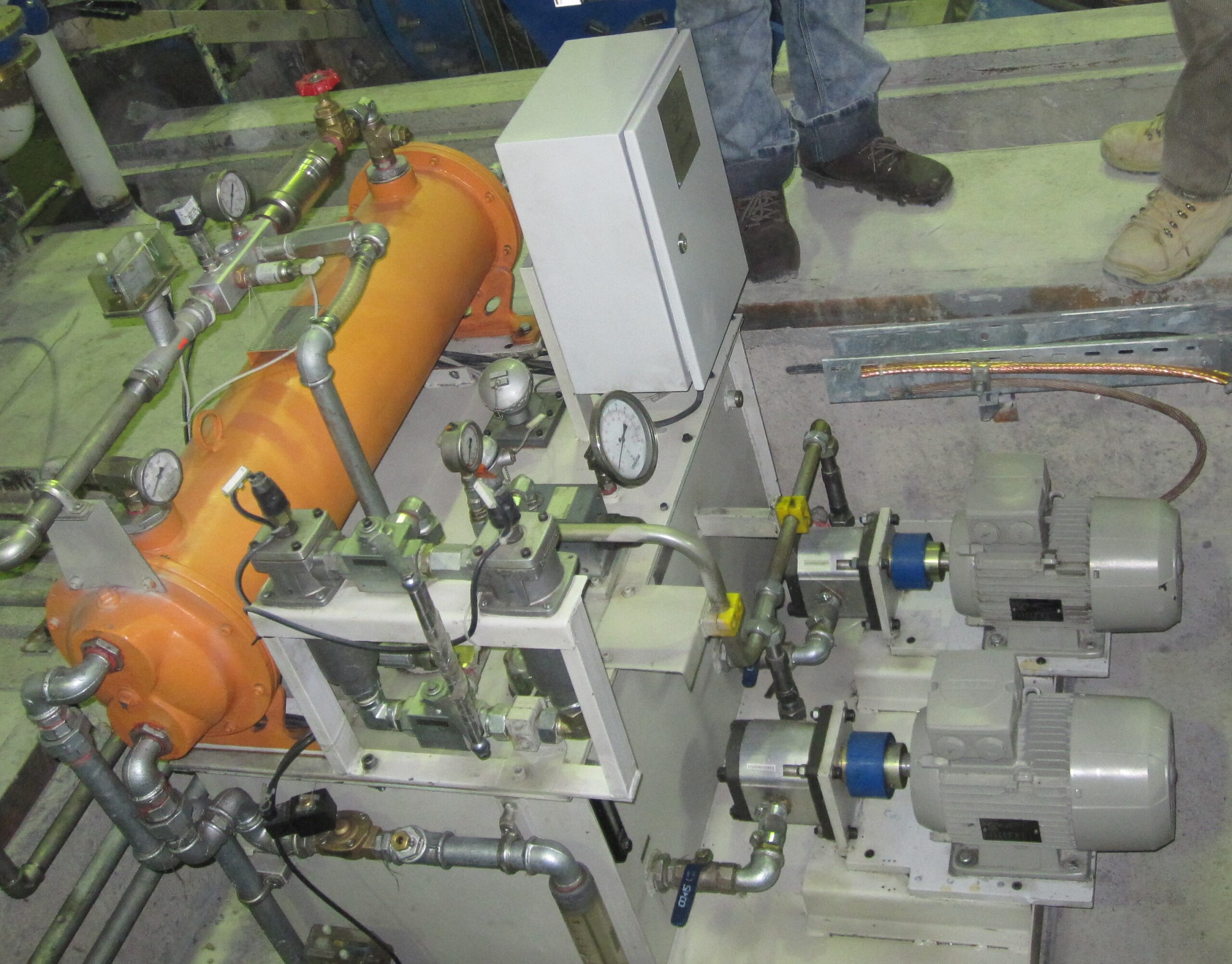
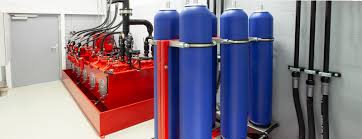
In a hydraulic system, auxiliaries are the essential components that support the main power-generating (pumps) and power-consuming (actuators/cylinders) devices. They store, condition, monitor, and route the hydraulic fluid.
Fluid Storage and Conditioning
Reservoir (Tank): Stores the hydraulic fluid. Helps cool the fluid, allows trapped air to escape, and lets heavy contaminants settle.
Filters: Remove dirt, metal particles, and other contaminants from the fluid to prevent wear and tear. Placed in suction, pressure, or return lines.
Heat Exchangers: Maintain optimal operating temperature. Coolers prevent overheating; heaters warm up thick fluid before startup.
Breathers: Allow air to flow in and out of the reservoir while filtering out airborne dust and moisture.
Energy Storage and Shock Absorption
Accumulators: Store fluid under pressure (using compressed gas, spring, or weight). They act like a capacitor, providing emergency power, compensating for leakage, or absorbing pressure spikes/shocks.
Plumbing and Sealing
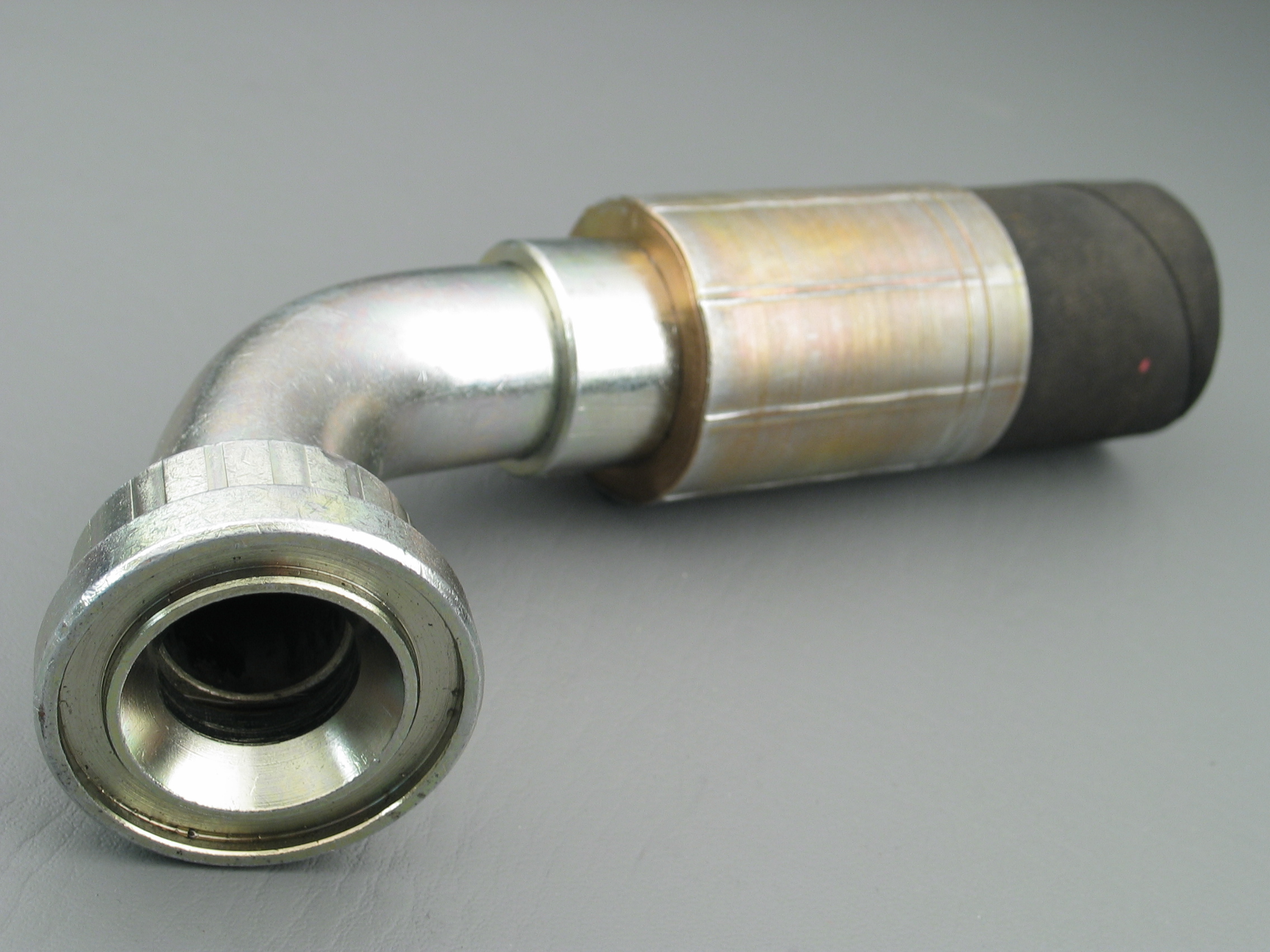
Piping, Tubing, and Hoses: Conduits that transport fluid. Rigid pipes for stationary parts, flexible hoses for moving parts.
Fittings and Couplings: Connect hoses/tubes. Quick-disconnect couplings allow rapid connection without fluid loss.
Seals, O-rings, and Gaskets: Prevent fluid from leaking out and stop dirt from getting in.
Monitoring and Instrumentation
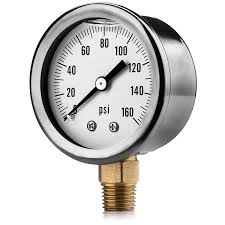
Pressure Gauges: Display system pressure, allowing operators to monitor performance.
Flow Meters: Measure fluid volume moving through the system to check pump performance.
Sight Glasses / Level Gauges: Mounted on reservoirs for quick visual checks of fluid level and condition.
Temperature Gauges/Switches: Monitor fluid temperature and trigger alarms if overheating occurs.